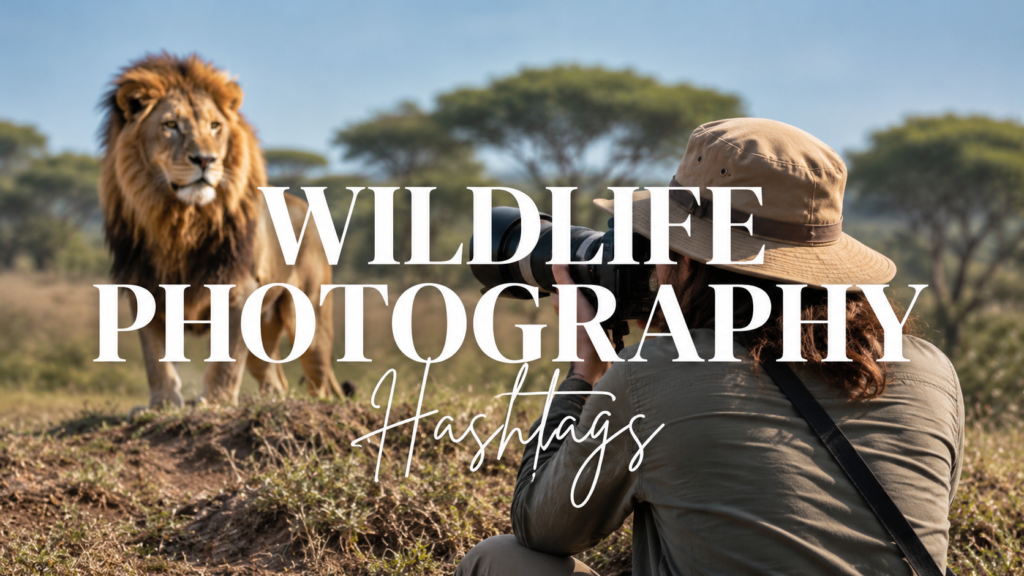
Wildlife photography has become one of the most visually powerful categories on social media. From dramatic lion portraits in the African savannah to close-up bird photography, underwater marine life, jungle safaris, and mountain wildlife encounters, people are naturally drawn to content that captures animals in their natural environment.
And unlike many other photography niches, wildlife photography creates instant emotional engagement.
People stop scrolling when they see a snow leopard staring into the camera, a whale breaching through the ocean, or an eagle flying across a mountain landscape. Wildlife photography combines storytelling, patience, adventure, and technical skill in a way that feels both artistic and deeply human.
But as wildlife photography content continues growing across Instagram, TikTok, Pinterest, Threads, and photography communities, competition has become significantly stronger.
Thousands of wildlife photographers upload stunning content every single day. Beautiful images alone are no longer enough to guarantee visibility. If you want your wildlife photography to reach beyond your existing audience, hashtags still play an important role in helping platforms understand your content and connect it with the right viewers.
That is where wildlife photography hashtags become valuable.
Not because hashtags automatically make posts viral, but because they help categorize your content into specific photography, nature, conservation, and travel communities that actively search for this type of content every day.
A strong hashtag strategy can help your wildlife photography appear in discovery feeds, photography searches, nature communities, travel inspiration pages, and wildlife enthusiast audiences that genuinely care about animal photography and outdoor exploration.
This guide breaks everything down in detail — not just which wildlife photography hashtags to use, but why certain hashtags perform better than others, how experienced creators use them strategically, and how photographers can improve their reach without relying entirely on paid promotion.
Why Wildlife Photography Performs So Well Online
Wildlife photography performs differently from regular photography content because it captures moments people cannot easily experience themselves.
Most people will never photograph a tiger in the wild, witness elephants crossing a river at sunrise, or spend hours waiting for the perfect shot of a rare bird in flight. Wildlife photography gives audiences access to moments that feel extraordinary, emotional, and almost cinematic.
That emotional connection matters online.
A well-composed wildlife image creates curiosity immediately. People naturally pause when they see powerful animal expressions, dramatic landscapes, or rare encounters in nature. Wildlife content also tends to trigger emotional reactions connected to wonder, adventure, conservation, and respect for the natural world.
This is exactly why wildlife photography often generates strong engagement across social media platforms.
People save wildlife photos for inspiration. They share them with friends. They comment about travel goals, photography techniques, and animal encounters. They follow photographers whose work consistently captures rare and meaningful moments in nature.
Wildlife photography also overlaps with several highly engaging niches simultaneously:
- Nature photography
- Travel photography
- Adventure travel
- Conservation content
- Outdoor exploration
- Landscape photography
- National park travel
- Documentary storytelling
Hashtags help connect those audiences together.
What Wildlife Photography Hashtags Actually Do
Many creators either ignore hashtags completely or use them without any real strategy behind them.
The truth is that hashtags still matter when they are used intentionally.
Hashtags help platforms understand what your content is about and which audience is most likely to engage with it.
When you use hashtags like:
#WildlifePhotography
#NaturePhotography
#BirdPhotography
#SafariPhotography
#WildlifePlanet
you are helping platforms place your content inside specific categories and communities.
That matters because modern social media algorithms rely heavily on audience behavior and content categorization. If someone regularly interacts with wildlife photography, bird photography, nature documentaries, conservation pages, or safari travel content, hashtags help platforms recognize that your content belongs within those same spaces.
In simple terms, hashtags help create context.
They tell the algorithm:
- What your content focuses on
- Which audience may enjoy it
- Which photography niche it belongs to
- What type of visual storytelling you create
That becomes especially important for wildlife photographers, creators, travel bloggers, and outdoor photographers trying to grow organically.
Why Most Photographers Use Hashtags Poorly
One of the biggest mistakes photographers make is copying giant blocks of generic hashtags under every single post without considering relevance or audience intent.
That approach rarely works anymore.
A close-up owl portrait should not use the exact same hashtag set as an underwater whale photograph or an African safari landscape.
Different wildlife photography styles attract different audiences.
Bird photographers, macro wildlife photographers, safari photographers, underwater photographers, and conservation storytellers all operate inside slightly different photography communities online.
The strongest wildlife creators understand this and adjust hashtags based on:
- Animal type
- Photography style
- Location
- Audience interest
- Content format
- Platform behavior
The goal is not simply reaching more people.
The goal is reaching people who genuinely care about wildlife photography.
Broad Wildlife Photography Hashtags
Broad hashtags are the largest and most competitive hashtags within the wildlife and photography niche. These hashtags often contain millions of associated posts and generate enormous traffic every day.
Examples include:
#WildlifePhotography
#NaturePhotography
#Photography
#Wildlife
#Nature
These hashtags help categorize your content broadly, but they are also extremely crowded. A wildlife image posted under only large hashtags can disappear quickly because new content constantly pushes older posts down the feed.
That does not mean broad hashtags are useless.
They still help platforms understand your overall category and can occasionally expose your work to larger audiences. But relying on them alone is rarely effective.
The smarter approach is combining broad hashtags with more targeted niche hashtags.
Some of the strongest broad wildlife photography hashtags include:
#WildlifePhotography
#Wildlife
#NaturePhotography
#NatureLovers
#EarthCapture
#OurPlanetDaily
#AnimalPhotography
#PhotographyLovers
#WildlifePhoto
#NaturePhoto
#PlanetEarth
#ExploreNature
#OutdoorPhotography
#EarthFocus
#NaturePerfection
Instagram Wildlife Photography Hashtags
Instagram remains one of the strongest platforms for wildlife photographers because wildlife photography is naturally visual and emotionally engaging.
Dramatic animal portraits, birds in flight, safari moments, underwater scenes, and cinematic landscapes fit perfectly into Instagram’s ecosystem.
But Instagram’s algorithm now focuses heavily on relevance, engagement behavior, and content quality. That means hashtag quality matters far more than simply adding large quantities of random tags.
The strongest Instagram wildlife hashtags usually combine:
- Broad wildlife hashtags
- Photography hashtags
- Nature hashtags
- Niche animal hashtags
- Location-specific hashtags
Some effective Instagram wildlife photography hashtags include:
#WildlifePhotography
#NaturePhotography
#WildlifePhotographer
#WildlifePhotos
#AnimalPortrait
#EarthCapture
#WildlifeAddicts
#NatGeoWild
#PlanetEarth
#DiscoverWildlife
#NatureLovers
#PhotoOfTheDay
#PhotographyDaily
#ExploreNature
#WildlifePlanet
Safari Photography Hashtags
Safari photography has become one of the most popular travel photography categories online because it combines wildlife, adventure, storytelling, and luxury travel experiences.
People are naturally fascinated by safari content because it feels cinematic and rare.
Images featuring lions, elephants, giraffes, cheetahs, rhinos, zebras, and African landscapes consistently perform well across social media platforms.
Safari hashtags help connect your content with audiences interested in:
- African safaris
- Wildlife travel
- Nature documentaries
- Adventure travel
- Luxury exploration
- Conservation tourism
Some of the strongest safari photography hashtags include:
#SafariPhotography
#AfricanSafari
#SafariLife
#WildAfrica
#BigCats
#SafariAdventure
#WildlifeSafari
#ExploreAfrica
#NatureSafari
#AfricanWildlife
#SafariTravel
#IntoTheWild
#SafariMoments
#WildlifeExplorer
#AdventureSafari
Bird Photography Hashtags
Bird photography has one of the most passionate photography communities online.
Bird photographers are known for creating highly detailed, technically impressive images that require patience, timing, and deep knowledge of wildlife behavior.
Bird photography hashtags help connect your content with audiences interested in:
- Birdwatching
- Wildlife conservation
- Nature photography
- Outdoor photography
- Rare species documentation
Some of the best bird photography hashtags include:
#BirdPhotography
#BirdWatching
#BirdLovers
#BirdPhoto
#Birding
#BirdsOfInstagram
#BirdLife
#BirdWatcher
#NatureBirds
#BirdsInFlight
#WildBirds
#BirdPortrait
#BirdPhotographyDaily
#PlanetBirds
#BirdingLife
Nature and Outdoor Photography Hashtags
Wildlife photography often overlaps heavily with nature and outdoor photography because animals are naturally connected to landscapes and ecosystems.
These hashtags work especially well for:
- Mountain wildlife
- Forest photography
- National park content
- Hiking adventures
- Outdoor exploration
- Scenic wildlife landscapes
Some highly effective nature photography hashtags include:
#NaturePhotography
#ExploreNature
#NatureLovers
#OutdoorPhotography
#LandscapePhotography
#NaturePerfection
#EarthCapture
#AdventurePhotography
#WildPlaces
#NatureExplorer
#NationalParks
#ScenicViews
#IntoTheWild
#EarthFocus
#NatureScenes
Conservation and Wildlife Awareness Hashtags
Modern wildlife photography is increasingly connected to conservation storytelling.
Many photographers now focus not only on capturing beautiful images but also on raising awareness about endangered species, environmental protection, and habitat preservation.
Conservation-focused hashtags help connect content with audiences interested in environmental awareness and wildlife protection.
Some strong conservation hashtags include:
#WildlifeConservation
#ProtectWildlife
#SaveWildlife
#ConservationPhotography
#EarthProtection
#ProtectNature
#EndangeredSpecies
#NatureConservation
#PlanetEarth
#WildlifeProtection
#SaveOurPlanet
#ConservationAwareness
#ProtectTheWild
#EarthAwareness
#NatureEducation
Travel and Adventure Wildlife Hashtags
Wildlife photography naturally overlaps with travel and adventure content because many photographers travel specifically to capture rare animals and remote ecosystems.
Adventure wildlife content performs particularly well because it combines exploration, storytelling, and cinematic visuals.
Some strong travel wildlife hashtags include:
#AdventureTravel
#TravelPhotography
#WildlifeTravel
#NatureTravel
#TravelExplorer
#AdventurePhotography
#ExploreTheWorld
#OutdoorAdventure
#WildlifeAdventure
#TravelNature
#TravelMoments
#Wanderlust
#TravelExplorer
#EarthJourney
#NatureTravelPhotography
How Many Wildlife Photography Hashtags Should You Use?
This question comes up constantly among photographers and creators.
Most platforms now prioritize relevance over quantity.
On Instagram, many photographers find success using somewhere between 8 and 15 highly targeted hashtags rather than flooding posts with 30 generic tags.
On TikTok, smaller hashtag sets usually perform better because they help the platform categorize content more clearly.
Pinterest behaves more like a search engine, so hashtags function more like searchable keywords.
Regardless of platform, the most important principle remains the same:
Relevant hashtags outperform random hashtags.
Common Wildlife Photography Hashtag Mistakes
Even experienced photographers make hashtag mistakes that reduce visibility.
One of the biggest mistakes is using identical hashtag sets on every post. Algorithms can recognize repetitive patterns, and overusing the same tags may eventually reduce effectiveness.
Another common mistake is using hashtags unrelated to the image itself simply because they are popular.
For example, using generic travel hashtags on a specialized macro insect photograph may confuse the algorithm about your actual photography niche.
Many creators also rely too heavily on giant hashtags with enormous competition while ignoring smaller niche hashtags that often generate better engagement quality.
The strongest hashtag strategies are intentional, specific, and adaptable.
Sample Wildlife Photography Hashtag Sets
Safari Wildlife Content
#SafariPhotography #WildlifePhotography #AfricanSafari #WildlifePlanet #NaturePhotography #WildAfrica #ExploreNature #AdventurePhotography #WildlifeExplorer #SafariAdventure
Bird Photography Content
#BirdPhotography #BirdWatching #BirdsOfInstagram #NaturePhotography #WildBirds #Birding #BirdPhoto #BirdLovers #BirdLife #BirdPhotographyDaily
Nature Wildlife Content
#NaturePhotography #WildlifePhotography #ExploreNature #NatureLovers #OutdoorPhotography #EarthFocus #IntoTheWild #ScenicViews #AdventurePhotography #NaturePerfection
Conservation Content
#WildlifeConservation #ProtectWildlife #SaveWildlife #ConservationPhotography #EarthAwareness #ProtectNature #NatureConservation #PlanetEarth #ProtectTheWild #SaveOurPlanet
Building a Stronger Wildlife Photography Presence Online
The photographers who grow successfully online are usually not the ones posting the most expensive gear or the rarest destinations. They are the ones creating emotional connection through storytelling, patience, consistency, and authentic visual experiences.
Hashtags simply help those stories reach the right audience.
The most effective approach is experimenting with different hashtag combinations, tracking engagement patterns, understanding your audience, and consistently creating wildlife photography that feels meaningful rather than overly optimized for algorithms.
Wildlife photography resonates because it reminds people that nature is still extraordinary.
And when photography captures that feeling honestly, hashtags become far more effective because they support genuine engagement rather than trying to manufacture it.